Sindh Assembly Rejects Proposal to Increase E-Challan Fines
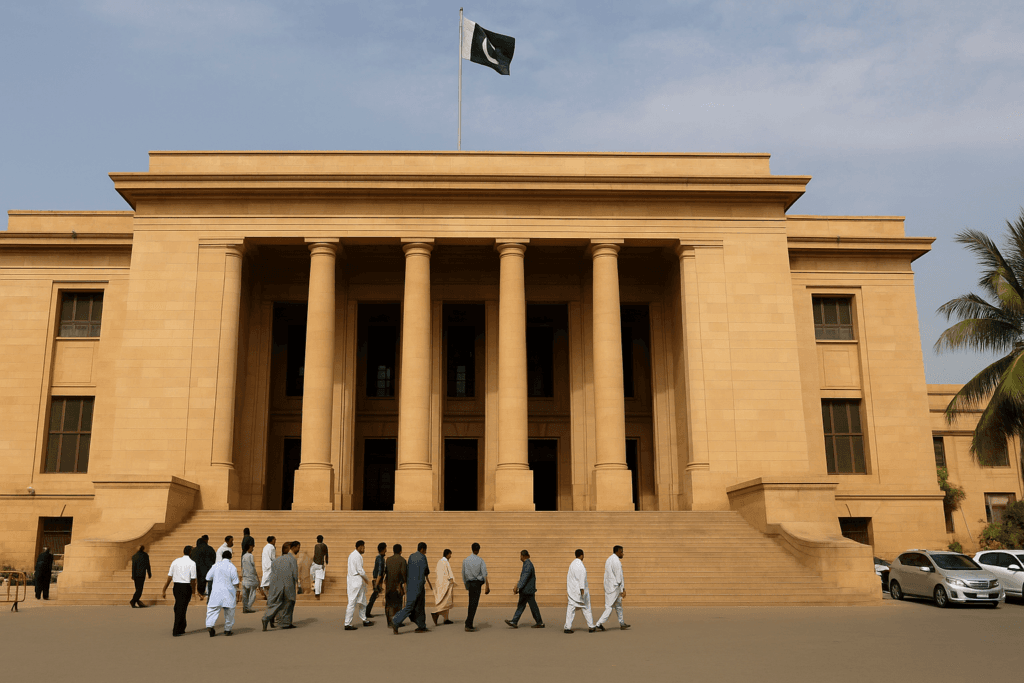
The Sindh Assembly has officially dismissed a proposal by Jamaat-e-Islami (JI) seeking to raise E-Challan traffic fines across the province. The resolution, presented during Thursday’s session, faced immediate objections from lawmakers of the Pakistan Peoples Party (PPP) and was subsequently declared invalid.
The decision comes at a time when traffic enforcement policies are already under judicial review, particularly in Karachi and other major cities. Assembly leaders stated clearly that no legislation can proceed on matters currently being reviewed by the courts.
JI’s Proposal to Boost E-Challan Penalties Blocked
JI lawmakers argued that increasing fine amounts would strengthen traffic discipline and act as a deterrent against growing violations. They maintained that higher financial penalties could improve compliance and enhance the overall efficiency of Sindh’s digital traffic enforcement system.
However, the proposal was challenged immediately on procedural and legal grounds rather than its merits. PPP members objected to debating the motion, citing its conflict with ongoing court proceedings.
Sharjeel Inam Memon’s Firm Opposition
Sindh Minister and senior PPP leader Sharjeel Inam Memon opposed the resolution strongly, reminding the Assembly that traffic fine structures are already under review by the judiciary, making parliamentary debate on the matter unlawful.
Key Points Raised by Sharjeel Memon:
- The issue is sub judice, and therefore cannot be deliberated or voted on in the Assembly.
- Submitting the motion was procedurally incorrect and misled the House.
- Karachi produces higher E-Challan figures than Punjab due to traffic volume, not higher fine rates.
- The Sindh government’s goal is public safety, not revenue generation.
Memon emphasized that while promoting discipline is essential, raising fines without judicial clearance would be illegal and unfair for citizens.
Speaker Rules Resolution Invalid
After reviewing the objections, the Speaker of the Sindh Assembly ruled the resolution “null and void.”
Speaker’s Observations:
- Introducing a subject already under judicial review violates parliamentary rules.
- The resolution should not have been presented to the House.
- Discussions on court-pending matters cannot proceed within the Assembly.
This ruling ended the debate without any further discussion or voting.
Government Position: Road Safety, Not Revenue
PPP members reiterated that the purpose of the E-Challan system is to improve traffic safety and discipline, not to increase government income.
Reasons for Rejecting Higher Fines:
- Citizens are already under financial pressure due to inflation.
- Increasing penalties would place an additional economic burden on commuters.
- Effective traffic enforcement depends on education, discipline, and monitoring, not simply harsh penalties.
- The focus remains on reducing accidents and improving driving behavior.
The government clarified that higher violation counts in Karachi alone do not justify raising fine amounts.
Background – E-Challan System in Sindh
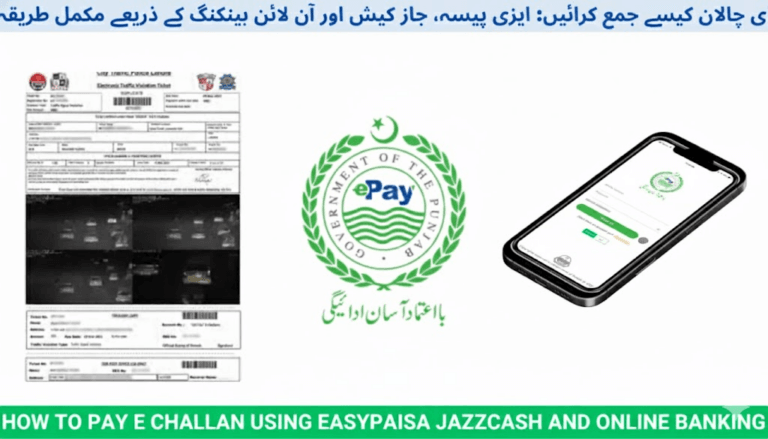
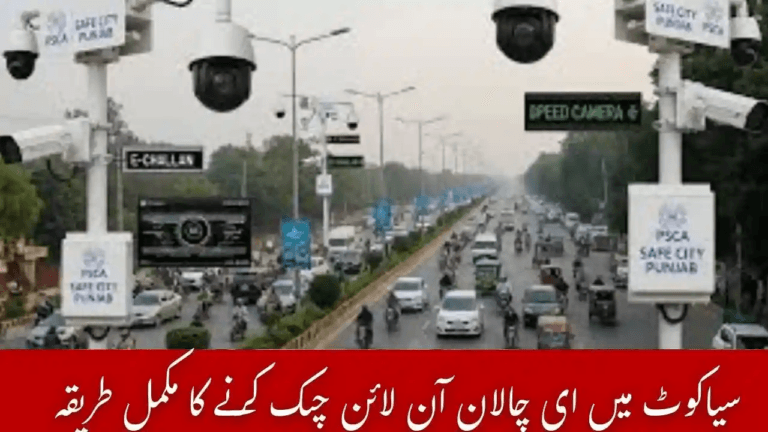
Sindh’s digital traffic enforcement infrastructure has expanded rapidly, particularly in Karachi. The system uses:
- CCTV surveillance
- ANPR (Automatic Number Plate Recognition) cameras
- Digital challan portals
- Centralized monitoring systems
These technologies allow authorities to automatically detect violations and issue electronic challans without direct officer involvement.
Commonly Recorded Violations Include:
- Red-signal jumping
- Wrong-lane driving
- Over-speeding
- Illegal parking
- Riding without helmets
- One-way and U-turn violations
The aim of this system is to promote transparency, eliminate bribery, and ensure fair enforcement.
Unexpected Moment – ATMs Announced for Assembly Complex
An unusual yet light moment occurred when the Speaker announced that ATMs would soon be installed inside the Sindh Assembly premises. The comment drew laughter across the House and later became a small headline highlight in media coverage of the session.
Assembly Session Adjourned
Following the ruling, the Assembly session was adjourned until 10:00 AM on Friday. Regular legislative business will resume, while any discussion on increasing E-Challan fines remains suspended until a court verdict is issued.
Why This Decision Matters to Citizens
1. No Immediate Increase in Fines
Drivers will continue paying the existing traffic fine amounts, with no hike approved.
2. Legal Stability
No changes can be made until judicial proceedings conclude, ensuring lawful governance.
3. Policy Transparency
The rejection reinforces procedural integrity and prevents unauthorized policy shifts.
4. Financial Relief
With rising fuel costs and inflation, avoiding fine increases offers economic relief to commuters.
Conclusion – Fines Remain Unchanged
The Sindh Assembly’s rejection of the Jamaat-e-Islami resolution marks an important stand on legal discipline and public interest. Lawmakers have affirmed that no amendments to traffic fines can be made while the matter is before the courts.
For motorists across Sindh, this decision means:
✅ No E-Challan fine increases for now
✅ Enforcement continues under existing penalty structures
✅ Legal clarity remains intact until judicial rulings are released
Until further developments from the courts, Sindh’s traffic fine system will remain unchanged.