Punjab Issues Nearly 50,000 Fines in Crackdown on Smoke-Emitting Vehicles
Punjab has launched one of its largest vehicle-emission enforcement campaigns in recent years as part of the province’s winter smog control strategy. The traffic and environmental authorities have confirmed that nearly 50,000 vehicles have already been fined for violating emission standards by producing visible black or excessive smoke.
Vehicle emissions play a major role in worsening winter smog, raising PM2.5 levels, and increasing respiratory health risks. Pollutants released from diesel trucks, rickshaws, and aging commercial vehicles significantly degrade daily air quality and contribute to dangerous pollution peaks in urban areas.
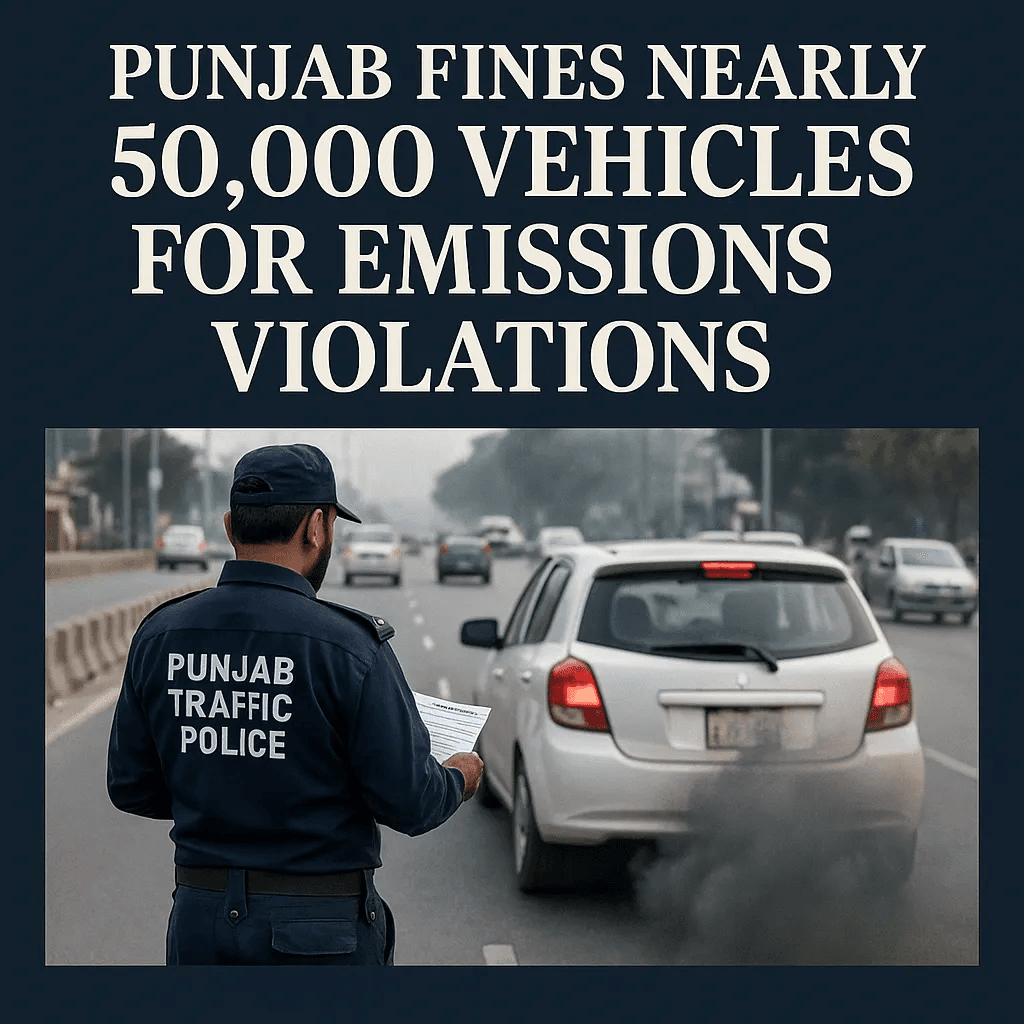
Smoke from poorly maintained vehicles contains:
- Unburnt hydrocarbons
- Particulate matter (PM2.5 & PM10)
- Black carbon
- Nitrogen oxides (NOx)
These compounds accelerate smog formation, reduce visibility, and cause serious health effects such as chronic coughing, bronchitis, airway inflammation, and increased hospital admissions during winter months. Environmental health experts consistently warn that the combination of heavy traffic smoke and stagnant cold-season air sharply intensifies toxic exposure across major population centers.
Why Punjab Is Cracking Down on Smoke-Emitting Vehicles
The province-wide crackdown is designed to combat roadside emissions that balloon during winter, when low wind speeds trap pollutants near ground level and push PM2.5 concentrations to hazardous levels.
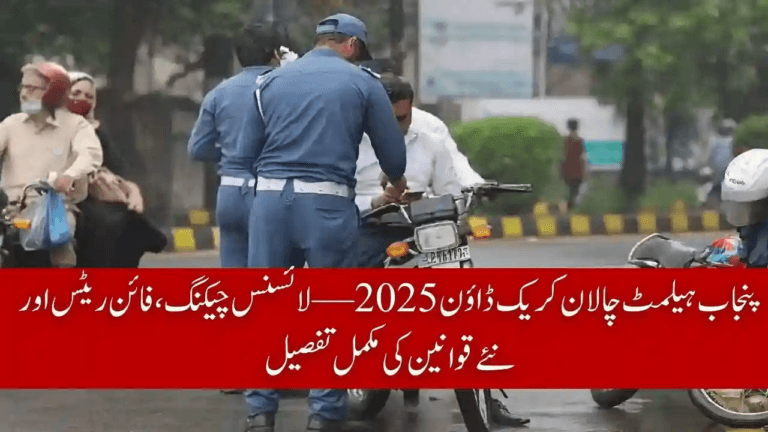
DIG Traffic Punjab Muhammad Waqas Nazir ordered strict enforcement across all districts, directing traffic police to actively stop and inspect vehicles releasing visible smoke. The action also follows guidance from the Punjab Environment Protection Department (EPD), which has repeatedly identified smoke-emitting vehicles as one of the leading drivers of short-term smog spikes.
The objectives of the campaign are to:
- Reduce urban air pollution peaks
- Protect vulnerable populations including children, elderly residents, and asthma patients
- Improve compliance with the Punjab Environmental Protection Act
- Remove chronically polluting vehicles from active traffic circulation
Officials stated that the initiative represents one of the largest coordinated emission control operations conducted in the province to date.
Key Enforcement Results So Far
According to official figures released by Punjab Traffic Police:
- 48,400+ vehicles fined for emission violations
- Rs. 97+ million collected in penalties, an 85% year-over-year increase
- 10 vehicle fitness certificates suspended
- 16 route permits cancelled due to repeated offences
- 7 FIRs registered for severe environmental violations
Authorities say these numbers demonstrate the scale of non-compliance among commercial transport operators and the effectiveness of expanded monitoring efforts. Enforcement teams are now applying both immediate fines and long-term operational restrictions to ensure habitual violators cannot return to service without full mechanical compliance.
Monitoring coverage has also widened across:
- Major highways
- City intersections
- Toll plazas
- District border checkpoints
This expanded footprint prevents offenders from diverting routes to evade inspections.
How Many Vehicles Were Checked?
During on-ground inspection drives:
- 7,700+ vehicles were stopped and tested on-site using visual smoke assessment standards and handheld emission monitoring equipment.
- 2,100+ soil-carrying trolleys were fined for dust pollution caused by uncovered loads, which contribute significantly to PM10 surges along urban fringes and rural transport corridors.
Authorities noted that uncovered soil transport remains a major dust pollution source and is now receiving targeted enforcement similar to smoke-emitting vehicle checks.
Penalties for Smoke & Dust Violations
Officials confirmed that:
- Any vehicle producing heavy visible smoke faces a standard fine of Rs. 2,000.
- Repeat offenders may have fitness certificates suspended until mechanical repairs are completed, such as:
- Engine tuning and repairs
- Replacement of air and fuel filters
- Exhaust system maintenance
- Persistent violations can lead to:
- Route permit cancellation
- Legal prosecution under environmental laws
This progressive enforcement ensures offenders face escalating consequences rather than repeated warnings.
Why This Crackdown Matters for Air Quality
Reducing smoke-emitting vehicles delivers one of the fastest air-quality improvements available. Scientific studies throughout Pakistan and South Asia confirm that targeted transport enforcement produces an immediate reduction in daily PM peaks, particularly during winter temperature inversions.
Removing smoky vehicles from active roads results in:
- Lower PM2.5 and black carbon concentrations
- Reduced smog density and haze formation
- Improved road visibility
- Declines in respiratory illness admissions
Public-health experts regard traffic emission controls as one of the most cost-effective measures for protecting urban populations during peak pollution months.
What Drivers Should Expect Next
Punjab Police confirmed that the smog enforcement campaign will continue across all districts throughout the winter season.
- Traffic teams are instructed to stop any vehicle emitting visible smoke or dust.
- Repeat offenders will face escalating penalties, including route permit cancellation.
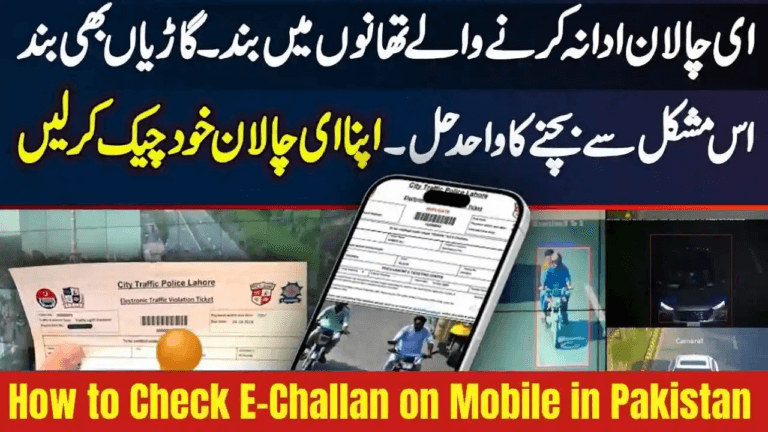
- Every violation is linked to the digital E-Challan system, allowing instant fine tracking and payment verification.
The digital enforcement model:
- Improves transparency
- Reduces roadside disputes
- Enables drivers to monitor pending violations
- Ensures consistent province-wide enforcement
Officials expect sustained inspections to drive long-term behavioral changes among fleet operators, leading to better vehicle maintenance practices and cleaner fuel use.
FAQs
How much is the fine for smoke-emitting vehicles in Punjab?
The standard penalty is Rs. 2,000 per violation. Repeat offenders may face fitness suspensions or legal prosecution.
Why is Punjab targeting emissions so aggressively now?
Because vehicle smoke significantly worsens winter smog and PM2.5 pollution, increasing health risks during peak pollution season.
Are commercial vehicles included?
Yes. Trucks, loaders, trolleys, soil carriers, and rickshaws are the primary focus of inspections.
How many vehicles have been fined so far?
More than 48,400 vehicles have been ticketed province-wide.
Does the crackdown help reduce smog?
Yes. Studies confirm that removing smoke-emitting vehicles creates immediate reductions in daily pollution peaks and haze levels.
Conclusion
Punjab’s crackdown on smoke-emitting vehicles marks a major step toward reducing winter smog levels and improving public health. With nearly 50,000 fines issued, expanded roadside inspections, dust controls for soil transport, and escalating penalties for repeat offenders, the province is applying one of the most comprehensive emission control initiatives in recent years.
Strict enforcement, combined with digital challan tracking and wider coverage zones, is expected to create lasting improvements in urban air quality — protecting public health while encouraging cleaner transport practices across Punjab.