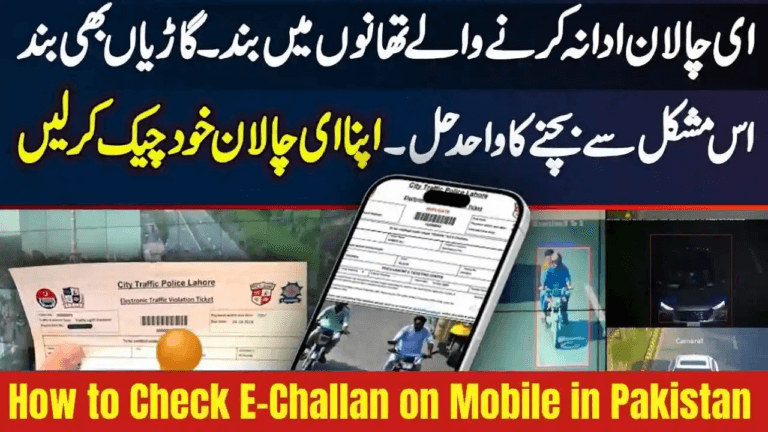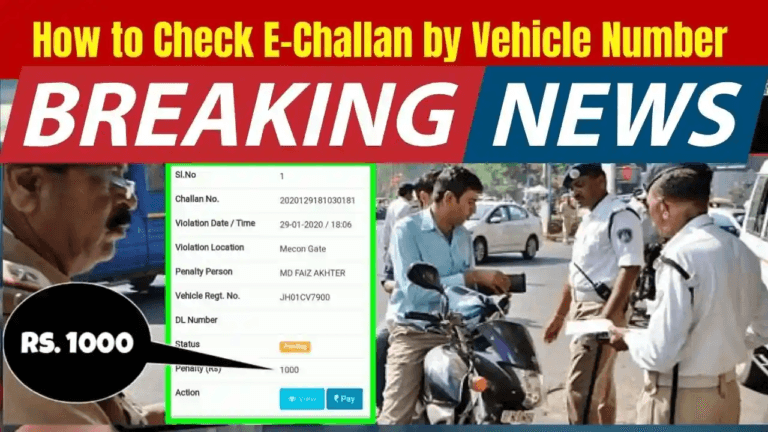
How E-Challan Cameras Work in Pakistan – ANPR, Safe City & Auto Detection Explained
The e-challan camera system in Pakistan has evolved into a fully automated, AI-driven traffic enforcement network. From Lahore and Rawalpindi to Islamabad and Karachi, advanced ANPR cameras, Safe City surveillance, and auto-violation detection software now form the backbone of traffic monitoring.
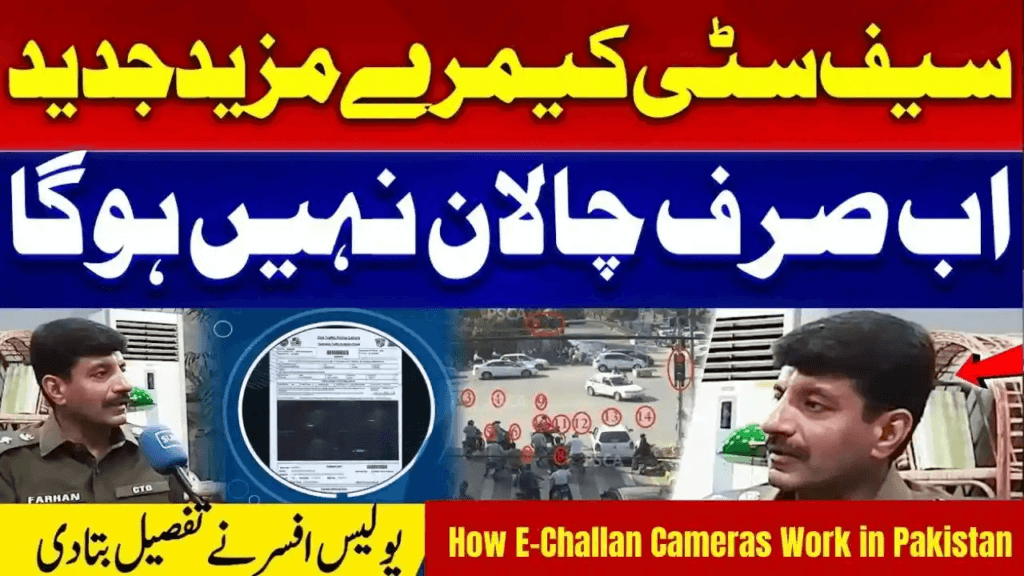
This system has eliminated manual challans in most major cities and introduced transparent, 24/7 enforcement without physical interaction with traffic wardens. Understanding how these cameras work helps drivers avoid violations, wrong challans, and unnecessary penalties.
For readers new to digital enforcement, the overall structure is explained in detail in our e-challan guide covering Pakistan’s Safe City infrastructure.
Understanding Pakistan’s E-Challan Camera System
Pakistan’s automated e-challan enforcement works through three interconnected layers:
ANPR Technology (Automatic Number Plate Recognition)
ANPR cameras use artificial intelligence to read vehicle number plates, convert images into digital text, and match them with official databases. The system verifies:
- Plate number
- Font and size
- Plate color (private, commercial, government)
Non-standard, fancy, or unreadable plates are automatically flagged.
Safe City Surveillance Networks
Safe City Projects operate thousands of high-definition smart cameras across major cities including Lahore, Rawalpindi, Islamabad, Faisalabad, and Karachi. These cameras are installed at:
- Traffic signals
- Busy intersections
- Highways and expressways
- Entry and exit points
They function round-the-clock and transmit live data to central command centers, similar to the systems explained in how traffic cameras issue e-challans in Pakistan.
Automated Violation Detection Algorithms
AI-based software analyzes camera footage to detect violations such as:
- Over-speeding
- Red-signal jumping
- Lane discipline violations
- Helmet and seatbelt non-compliance
- Wrong-way driving
Once detected, the system automatically initiates challan generation without human involvement.
Step-by-Step: How E-Challan Cameras Identify Violations
Step 1: Vehicle Capture
High-resolution cameras record vehicles entering a monitored zone using:
- Day & night vision
- Infrared sensors
- Motion detection
- Multi-angle coverage
Step 2: Number Plate Recognition (ANPR)
The ANPR module scans:
- Plate characters
- Font and spacing
- Plate dimensions
Vehicles using illegal, fancy, or AFR number plates may be flagged for violation or manual verification, an issue discussed further in vehicle number plate fraud in Pakistan.
Step 3: Database Cross-Verification
Once identified, the system cross-checks details with:
- Excise & Taxation records
- Vehicle ownership data
- Registration and token tax status
- Existing unpaid e-challans
This linkage allows challans to appear during checks explained in check all traffic fines linked to your CNIC.
Step 4: Violation Analysis
AI algorithms analyze:
- Speed using radar/laser integrations
- Signal color during crossing
- Helmet detection via image processing
- Seatbelt usage
- Lane and directional mapping
Step 5: E-Challan Generation
After confirmation, the system generates a challan containing:
- HD image or video evidence
- Date and time
- Violation location
- Offence type
- Fine amount
Step 6: Challan Delivery & Online Listing
The challan is delivered through:
- Registered postal address
- SMS alerts
- Safe City online portals
- Mobile applications
Drivers later verify these records using methods outlined in how to check e-challan status in Pakistan.
Types of E-Challan Cameras Used in Pakistan
Fixed ANPR Cameras
Installed at signals and busy intersections to monitor:
- Red-light visibility
- Lane discipline
- Helmet violations
Speed Radar Cameras
Deployed on:
- Motorways
- Ring roads
- Expressways
They detect over-speeding using integrated radar systems.
PTZ Cameras (Pan–Tilt–Zoom)
Used for:
- Live monitoring
- High-risk behavior tracking
- Zoom-based evidence capture
Mobile and Vehicle-Mounted Cameras
Temporarily deployed during:
- Traffic campaigns
- VIP movement
- Law-and-order situations
Violations Automatically Detected by Cameras
Common violations include:
- Over-speeding
- Red-signal jumping
- Helmet non-compliance
- Seatbelt violations
- Wrong-lane or one-way driving
- Fancy or illegal number plates
- AFR or missing plates
Fine amounts for these violations are listed in the traffic challan fine list in Pakistan.
Why Wrong E-Challans Sometimes Occur
Errors may happen due to:
- Blurry or dirty plates
- Similar plate combinations
- Fancy fonts confusing ANPR
- Poor visibility conditions
Drivers can file disputes using the methods explained in how to remove a wrong e-challan in Pakistan.
Benefits of E-Challan Cameras in Pakistan
Transparent Enforcement
No roadside fines, bribery, or selective treatment.
Continuous Monitoring
24/7 automated traffic supervision.
Reduced Road Accidents
Stricter enforcement cuts down speeding and signal violations.
Centralized Digital Records
Useful for ownership transfer, audits, and legal verification.
Smart City Integration
Supports traffic planning and emergency response.
How to Check Your E-Challan Online
Drivers can verify challans using official systems such as:
- Punjab Safe City platform at https://echallan.psca.gop.pk/
- Provincial traffic portals
- Safe City mobile apps
Details required may include vehicle number or CNIC.
Conclusion
E-challan cameras in Pakistan have introduced fully automated, AI-powered traffic enforcement. With ANPR, Safe City surveillance, and centralized databases working together, violations are detected without human bias and recorded transparently.
Understanding how this system works allows drivers to comply with traffic laws, avoid penalties, and maintain a clean driving record as digital enforcement continues to expand nationwide.
FAQs – How E-Challan Cameras Work in Pakistan
Can cameras detect fancy number plates automatically?
Yes, AI evaluates plate shape, size, font, and legality.
Are all e-challans supported by photo or video evidence?
Yes, automated challans always include visual proof.
How are over-speeding challans detected?
By radar measurement combined with ANPR image capture.
Can AFR vehicles receive e-challans?
Yes, depending on provincial enforcement rules.
Why am I receiving challans after selling my vehicle?
Ownership details were not updated in Excise records.